A futures liquidation shortfall occurs when a position is force-closed at a worse price than the bankruptcy price due to a price gap or slippage, creating an underpayment in settlement between the counterparties.
This underpayment is not a penalty charged to the trader. It is the difference between the calculated bankruptcy price and the actual execution price of the forced close.
Goal of this guide: show when the probability of a shortfall is higher, how it shows up in the market, and why, in extreme conditions, an exchange may trigger forced clearing, including auto-deleveraging (ADL).
⚙️ Why a liquidation can close beyond the calculated level
The underpayment appears when the price moves faster than the available liquidity near the liquidation execution price.
- Price gap. The price jumps to a new level without trades between levels.
- Slippage. The liquidation order consumes the nearest order-book levels and fills at a worse price than the calculated reference level.
- Liquidation cascade. Mass forced closes remove liquidity at the same time and worsen the fill price for each subsequent liquidation.
- Spread widening. The bid/ask gap expands, and the liquidation fills on the less favorable side of the book.
If a liquidation executes beyond the bankruptcy price, the difference becomes a clearing deficit that must be covered so market settlements balance.
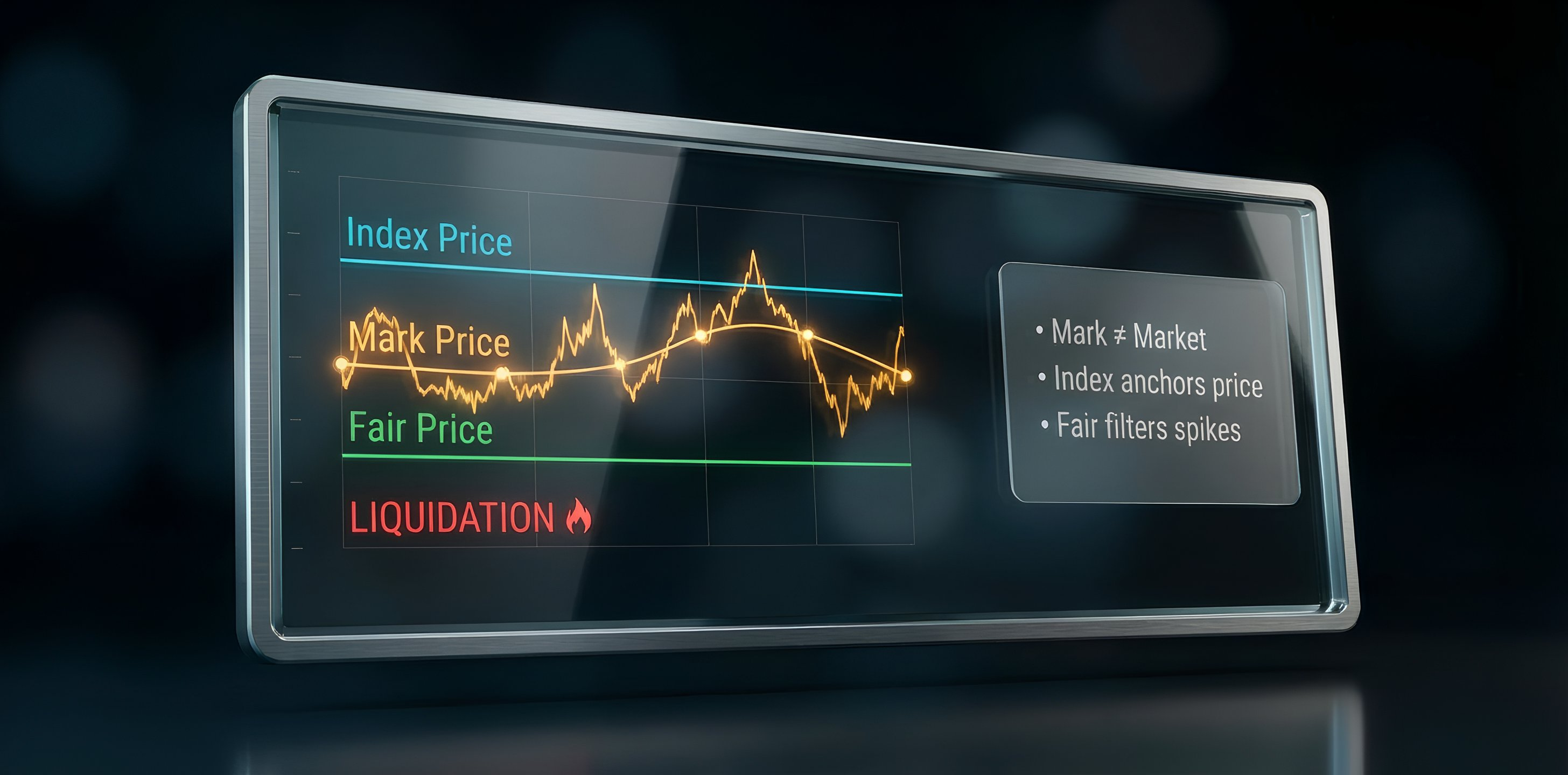
How an exchange covers a clearing deficit
An exchange covers the deficit using dedicated settlement mechanisms so market counterparties receive their funds.
- Insurance Fund. The exchange reserve used to pay the difference between the bankruptcy price and the actual liquidation close price.
- Auto-deleveraging (ADL). Forced reduction of profitable positions if the deficit cannot be covered by the reserve alone; details are in the guide on auto-deleveraging (ADL).
The presence of an insurance fund does not mean “insurance against losses.” It addresses liquidation shortfall settlement and does not remove the risk of forced clearing in extreme market conditions.
Signs the shortfall risk is rising
The risk is higher where a large position cannot be closed near the price without a jump through the order book.
What you can see in the market
- The spread widens sharply while order-book depth near the price drops.
- Trades print at almost a single price because there is not enough nearby volume to close the position gradually.
- Volatility accelerates, and a string of liquidations fires back-to-back without pauses.
FAQ on liquidation shortfalls and settlement
Why isn’t the shortfall a penalty for the trader?
Why does a gap make the problem so acute?
When can an exchange trigger ADL?
🧾 Why a liquidation deficit occurs in futures
A deficit occurs when a liquidation is executed through the order book below the bankruptcy price due to a price gap or slippage.
The negative balance is covered by the insurance fund; if the reserve is insufficient, the platform activates clearing mechanisms (for example, ADL) according to product rules.
A liquidation deficit is a negative settlement balance after execution below the bankruptcy price, not a penalty and not “insurance” against market losses.