How to Choose a Licensed Venue for Options Trading by Asset, Settlement, and Access Type
Options trade across different market structures. For stocks, ETF, and indexes, access usually goes through an exchange via a broker and clearing infrastructure. For crypto assets, the choice more often comes down to CME and crypto platforms, where settlement, country access, and the range of position-management tools matter.
Options on stocks and ETF are usually traded through a broker. Options on BTC and ETH go through CME or crypto platforms. The choice depends on the settlement type, country access, and the tools needed for trading.
This material compares licensed and regulated venues for classic options, not binary products. The focus is on CBOE, CME, Deribit, OKX, Binance, and Bybit: available contracts, exercise style, settlement type, access structure, series liquidity, and jurisdictional restrictions. Key terms are explained in the relevant sections.
The term “licensed venue” in this review means a specific regulatory framework for an exchange, clearing organization, or legal entity in a particular country. For crypto platforms, this is critical because one brand may operate through several legal entities, while access to derivatives changes by country and client status.
Binary options are not included in this review. Only classic options with a formalized contract specification, execution rules, settlement rules, and risk control are covered below.
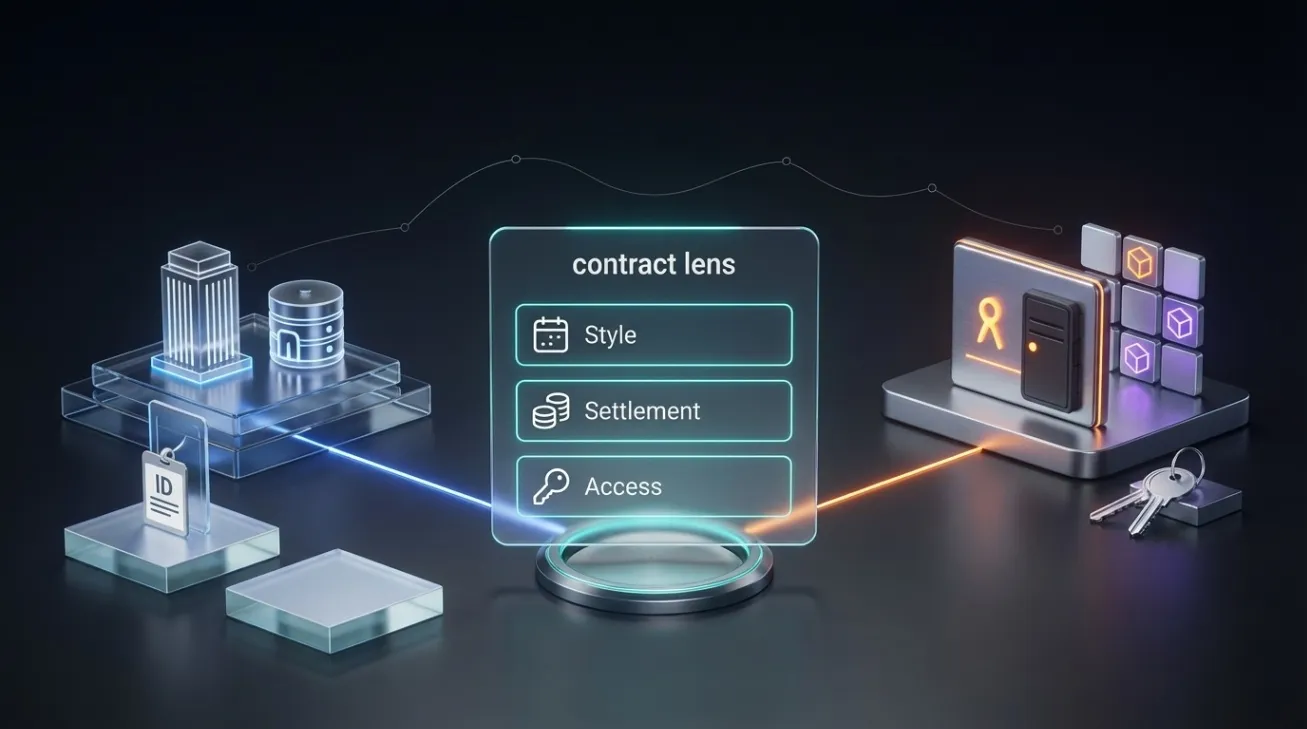
Material updated to reflect current access practices for options, differences in settlement models, and jurisdictional restrictions.
Practical clarifications were added on venue selection, contract review, series liquidity, and risk parameters before entering a trade.
Venue Comparison by Core Parameters
How to read the table:
| 📍 Venue | 🎯 Main Assets | 🧾 Style | 💵 Settlement | 🚪 Access | 🧪 Practice | 🧠 Where the Main Strength Shows | 🛡️ Regulatory Framework |
|---|---|---|---|---|---|---|---|
| CBOE | Stocks, ETF, indexes | Depends on the class | Shares or cash by index | Through a broker | Paper trading at brokers | Equity and index options | SEC + OCC clearing |
| CME | Futures on indexes, commodities, FX, rates, BTC/ETH | Depends on the contract | Through futures logic | Through a broker / FCM | Simulator | Options on futures | CFTC + CME Clearing |
| Deribit | BTC, ETH, SOL, and some altcoins | European | Inverse or USDC linear | Direct account | Testnet | Volatility trading and structures | Legal entity and eligibility depend on status and country |
| OKX | BTC, ETH | European | BTC / ETH | Direct account | Demo trading | Unified account and PM | Product availability depends on jurisdiction |
| Binance | BTC, ETH, BNB, XRP, SOL, and others | European | USDT cash-settled | Direct account | Public options testnet not confirmed | Ecosystem and familiar interface | Regulated legal entities in selected countries |
| Bybit | BTC, ETH, SOL, MNT, XRP, DOGE | European | USDT cash-settled | Direct account | Demo/test environment depends on region | First experience with long options and PM | Legal entity and product depend on country |
The table is useful for the first round of filtering. After that, the comparison moves to the contract and access-mode level: for CBOE and CME, the decisive factors are broker infrastructure and the series specification, while for crypto platforms they are settlement, country restrictions, and the set of tools for IV, Greeks, and execution.
What to Check Before Registration and Funding
Pre-Start Check
On crypto platforms, venue-selection mistakes often appear before the first trade. The account may be open, but the required derivative may be unavailable in the country of service or under the brand’s specific legal entity.
How to Choose a Venue for Options Trading
The choice of venue is determined by the underlying asset, settlement model, access format, depth of the target series, and the set of tools for analysis and execution.
Underlying Asset
Stocks and ETF almost always lead into the TradFi environment with listed options. Indexes, commodities, rates, and currencies often require working with options on futures. BTC and ETH open a separate choice between CME and crypto platforms.
Exercise Style
American-style allows early exercise before expiration. European-style allows exercise only at expiration. The difference changes position control, exercise mechanics, and the set of workable scenarios.
Settlement Type
A contract can close through cash settlement, lead to stock delivery, exercise into futures, or settle in USDT, USDC, or the underlying coin. Settlement determines final P&L, margin calculation, and the position format after expiration.
Series Liquidity
Liquidity is distributed not by brand, but by specific series. Near expirations and mass-market strikes usually trade deeper than distant expirations and far strikes. To evaluate a series, the spread, order book, and open interest are needed.
Tool Set
To buy a simple long call or long put, an option chain and basic Greeks are usually enough. For calendar spreads, selling options, multi-leg trades, and volatility trading, portfolio margin, RFQ, block trade, and quoting by implied volatility are already needed.
Access and Jurisdiction
In TradFi, access usually goes through a broker and a suitability procedure. In crypto CEX, entry often starts faster, but access to options is restricted by KYC, client country, legal-entity type, and the list of allowed derivatives.
A workable selection process begins with three parameters: one asset, one settlement model, and one use case. After that, the list of venues narrows to a few options that can then be compared by series liquidity, fees, and tool set.
Options trading is associated with a high level of risk and can lead to capital loss. Access, settlement, and execution conditions depend on the venue, jurisdiction, and contract type. This is not investment advice.
TradFi Venues: Where Options on Stocks, Indexes, and Futures Trade
The traditional exchange environment splits into two directions: listed options on stocks and indexes, and options on futures for indexes, commodities, rates, currencies, and crypto futures. This is why CBOE and CME are better compared not as interchangeable venues, but as markets for different contract classes.
In TradFi, clearing is centralized, access usually opens through a broker, and execution and settlement follow formalized exchange and clearing-infrastructure rules. This makes comparison more transparent, but increases the importance of contract specifications and broker approval.
CBOE
CBOE is one of the key markets for listed options on U.S. stocks, ETF, and indexes. Here, the choice is built around the underlying asset, exercise style, series depth, and broker access conditions.
Market profile: CBOE is relevant where a classic exchange environment is needed for equity options and index options, rather than futures-style exercise logic.
- Underlying assets: U.S. stocks, ETF/ETP, ADS/ADR, and index contracts.
- Style: equity options more often use American-style, while index options usually fall under European-style.
- Settlement: stock options lead to the purchase or delivery of shares, while index series usually close through cash settlement.
- Access: retail trading usually goes through a broker with a separate suitability or approval procedure.
- Liquidity: depth is usually higher in index benchmarks and popular stocks or ETF; distant series and narrow underlyings require separate checking.
- Regulatory framework: CBOE is accurately described as a national securities exchange under SEC supervision, with a clearing environment through OCC.
✅ Strengths
- Clear specialization: the environment fits U.S. stock, ETF, and index options.
- Formalized clearing: exercise and delivery are standardized through centralized market infrastructure.
- Depth in key series: liquidity is strongest in widely traded index and equity contracts.
❌ Limitations
- Broker required: direct retail access without a broker layer is usually unavailable.
- Approval depends on the account: the set of permitted strategies is determined by broker procedures.
- Interface is uneven: the quality of analytics and execution depends on the specific broker platform.
When it fits: CBOE is relevant where access is needed to listed options on U.S. stocks, ETF, and index products through a classic broker and clearing environment.
CME
CME is a market for options on futures, where the key comparison object is not “an option on an asset in general,” but the link between an option and a specific futures contract. This changes the mechanics of exercise, settlement, and position behavior after exercise.
Market profile: CME is relevant where the position is built around a futures series on an index, commodity, rate, currency, or crypto futures contract, rather than around a simple cash-settled spot contract.
- Underlying assets: futures on indexes, commodities, currencies, interest rates, and crypto assets.
- Style: depends on the contract; some series allow early exercise, while CME crypto options use European-style.
- Settlement: exercise converts the position into the corresponding futures contract; CME crypto options do not deliver the coin and do not turn into an on-chain asset.
- Access: trading usually goes through a broker or FCM, not through a direct retail exchange account.
- Liquidity: depth is higher in benchmark contracts, while niche series and distant expirations require a separate review of open interest and spreads.
- Regulatory framework: CME is correctly described through CFTC oversight and the CCP model of CME Clearing.
✅ Strengths
- Broad market coverage: the environment fits indexes, commodities, rates, currencies, and crypto futures.
- Transparent futures logic: the contract specification clearly defines exercise and the post-expiration position.
- Strong infrastructure: clearing and supervision are built into a regulated market model.
❌ Limitations
- Higher entry threshold: the futures linkage is more complex than a simple cash-settled format.
- Contract specification is critical: a mistake in reading the series is more dangerous here than on simplified retail platforms.
- Not equivalent to crypto CEX: CME crypto options cannot be directly compared with USDT- or coin-settled models.
When it fits: CME is relevant where access is needed to options on futures for indexes, commodities, rates, FX, and crypto futures within a regulated clearing environment.
Crypto Venues with Options: Differences in Product, Settlement, and Access
Crypto options almost always use European-style exercise, but the differences after that run through settlement, quote currency, the set of built-in tools, and product availability by country. For a proper comparison, not only the interface and list of assets matter, but also the specific legal entity, the derivative-access regime, and the operating rules in the relevant jurisdiction.
Section terms:
Deribit
Deribit is built for crypto volatility trading and integrates IV, Greeks, block execution, and portfolio margin directly into its core logic. This is not just a venue with BTC and ETH options, but a more professional environment with different settlement models within one platform.
- Product: European-style cash-settled options.
- Settlement: depends on the product line — inverse or USDC linear.
- Underlying assets: BTC, ETH, SOL, and additional underlyings.
- Fees: 0.03% of underlying per contract with a cap of 12.5% of option price; separate rules apply to block trades and settlement.
- Tools: IV in the terminal, IV orders, portfolio margin, block trading, RFQ.
- Practice and access: testnet is available; eligibility and restricted jurisdictions affect derivatives access.
What stands out
- Trading logic is built around IV and Greeks, not only around price direction.
- Portfolio margin, RFQ, and block trade support more complex structures.
- Testnet helps practice the mechanics without real capital.
What to check
- Inverse and USDC linear options should not be treated as a single settlement model.
- The entry threshold is higher than in a basic retail mode.
- The regulatory description must be tied to the specific legal entity and authorization.
When it fits: the platform is suitable where trading is built around IV, Greeks, portfolio margin, and structured options strategies, rather than a simplified retail scenario.
OKX
OKX combines a retail interface with the logic of a unified account and portfolio margin. For options, the critical point here is that settlement takes place in BTC or ETH, not in USDT or USDC, so a familiar interface does not mean familiar settlement.
- Product: European-style options on BTC and ETH.
- Settlement: settlement takes place in the underlying coin, not in a stablecoin.
- Tools: option chain, RFQ, and portfolio margin within the logic of the unified account.
- Practice: demo trading is available with options support.
- Fees: in the standard example, maker 0.02% / taker 0.03%, expiry settlement fee 0.01%; daily options follow separate logic.
- Access and framework: derivatives services depend on the country, and regulatory status must be described through separate legal entities and operating modes.
What stands out
- A unified account and portfolio margin simplify the move from spot and futures into options.
- RFQ and the chain expand use cases beyond a basic option purchase.
- Demo trading is useful for initial practice.
What to check
- Settlement in BTC or ETH changes the perception of P&L compared with stablecoin-settled models.
- The set of derivatives services depends on the country and legal entity.
- A general description like “international license” is not precise enough here.
When it fits: the platform is suitable where a unified account, portfolio margin, and options trading on BTC or ETH with settlement in the underlying coin are needed.
Binance
Binance provides access to options within a familiar CEX ecosystem and uses USDT settlement, but product logic and access mode depend heavily on the region and the specific legal entity. This is a convenient interface, but not a single global model for all users.
- Product: European-style options.
- Settlement: cash-settled in USDT.
- Underlying assets: BTC, ETH, BNB, XRP, SOL, DOGE, and additional underlyings.
- Fees: trading fee 0.024%, exercise fee 0.015%, plus caps under platform rules.
- Tools: Greeks, IV model, RFQ, and implied-volatility analytics.
- Practice and access: a public options testnet is not directly confirmed in user-facing documentation; access to derivatives and stablecoins depends on the region.
What stands out
- Options are integrated into a familiar CEX environment without switching to a separate platform.
- USDT settlement is convenient where settlement in the underlying coin is undesirable.
- Greeks, IV, and RFQ expand use cases beyond a basic option purchase.
What to check
- Products and access modes are fragmented by region.
- Futures and margin modes cannot be automatically transferred to the options environment.
- The regulatory description must be built around separate licensed entities.
When it fits: the platform is suitable where a familiar interface, USDT settlement, and access to crypto options inside a large CEX ecosystem are needed, but without oversimplifying regional differences.
Bybit
Bybit displays option chain, Greeks, and IV in one interface, then allows a move into portfolio margin without leaving the ecosystem. Structurally, this is one of the clearest entry points into crypto options, but interface simplicity does not remove the complexity of the risk model.
- Product: European-style cash-settled options.
- Settlement: USDT-settled, auto-exercise at expiration; final settlement price is calculated from the average index price over 30 minutes.
- Underlying assets: BTC, ETH, SOL, MNT, XRP, DOGE, and additional underlyings.
- Fees: maker 0.02% / taker 0.03% for non-VIP, cap 7% of option price.
- Tools: option chain, Greeks, IV, and portfolio margin with stress testing by mark price and implied volatility.
- Practice and access: demo and test modes may be available, but availability should be checked by regional domain and legal entity; identity verification is mandatory at least at the Standard level.
What stands out
- A clear interface lowers the entry threshold for long options.
- Moving into Greeks and portfolio margin is possible without changing platforms.
- USDT settlement makes results more familiar for a retail scenario.
What to check
- Option selling and portfolio margin require a separate understanding of stress tests and liquidation logic.
- Demo and test scenarios should be checked against the regional domain and legal entity.
- The regulatory framework cannot be reduced to a single global brand label.
When it fits: the platform is suitable where a clear interface, USDT settlement, and a gradual transition from long options to more complex options logic within one ecosystem are needed.
How to Read the Differences Between Style, Settlement, and Execution
The word “option” covers different mechanics. To compare venues, it is useful to break the contract into three layers: exercise style, settlement, and the outcome of exercise.
American-style and European-style: the difference determines when exercise is possible. In stock options, early exercise may be used before expiration. In crypto options, exercise more often occurs only at expiration.
Cash-settled and deliverable: a cash-settled contract closes by cash settlement. A deliverable contract turns the position into shares or into a futures position. This is why CME and some TradFi contracts cannot be directly compared with USDT-settled crypto options.
Portfolio margin: portfolio margin calculates risk at the level of the whole portfolio, not a single position. For a long option, risk is limited to the premium. Under portfolio margin, the final outcome depends on stress scenarios, mark price, and how positions offset one another.
| Term | What it means in practice | Where it is especially critical |
|---|---|---|
| European-style | Exercise only at expiration | Almost all crypto CEX options, part of CME contracts, index options |
| American-style | Early exercise is possible before expiration | Part of equity options and some options on futures |
| Cash-settled | The final result closes through cash settlement | Index options and many crypto options |
| Deliverable into futures | Exercise opens the corresponding futures position | CME options on futures, including crypto futures options |
| RFQ / block | A tool for large and structured trades | Advanced scenarios and institutional execution logic |
Which Venue Solves Which Task
Options on Stocks and ETF
For this scenario, the TradFi environment with broker access to listed options is used. In practice, the comparison is between broker terms and the type of series, not between crypto platforms.
Index Options
For index exposure without delivery of individual shares, CBOE index options with cash settlement and exchange-defined series specifications are suitable.
Commodities, FX, and Rates
Here the choice moves to CME, because the trade logic is built around futures, not around a direct cash-settled contract on the spot asset.
BTC and ETH Options
For BTC and ETH, two different paths appear: CME with futures-style exercise logic and crypto CEX with cash-settled or crypto-settled models. The choice is determined by whether a regulated futures environment or direct CEX access is needed.
First Experience Buying Long Options
For a first experience, an interface is useful where option chain, IV, and Greeks are visible immediately, while risk is limited to the premium. In this logic, Bybit and some demo scenarios at OKX are easier starting points.
Volatility Trading and Structures
For multi-leg structures, RFQ, block trade, and portfolio margin, Deribit and OKX look stronger. Some elements of this logic are also available at Binance, but the product description requires qualification by region and mode type.
Selection logic: the venue is chosen not in isolation from the task, but for a specific contract and use case. For stocks and ETF, the logic goes into TradFi; for BTC and ETH, into the settlement model and access regime; and for complex volatility trading, into IV, RFQ, PM, and series depth.
Limitations and Risks When Choosing a Venue
A venue-selection mistake often occurs when the comparison is built on only one parameter — fee level, a familiar brand, or the apparent simplicity of the interface. For options, this is not enough, because the trade outcome depends on the contract, settlement model, series liquidity, and the country-specific access regime.
What Is Usually Underestimated
Broker approval in TradFi can restrict access even with an account and capital in place.
Contract size and series specification change the actual entry threshold more than a marketing statement about accessibility.
Liquidity on a venue is uneven: near-term series and top assets often trade differently from distant expirations.
Jurisdictional restrictions in crypto CEX may apply specifically to derivatives, not to the whole account.
Settlement in the underlying cryptocurrency and settlement in a stablecoin create different P&L accounting formats.
Portfolio margin and option selling create a different risk model from buying a simple long option.
Review logic: a workable choice begins with the contract, settlement model, country access, and liquidity of the target series. Interface and brand are evaluated only after those points.
FAQ on Venues for Options Trading
What is the difference between trading options through a broker and through a crypto CEX?
What changes with the choice between American-style and European-style?
Why does settlement affect the venue choice so much?
Is KYC mandatory for options trading?
Which venues make it easier to practice without real capital?
What is the more logical starting point for a first options experience?
Why can a venue not be chosen only by fee level?
Where to Look for a Suitable Venue for Options Trading
For stocks, ETF, and classic index products, the choice almost always leads into the TradFi environment with broker access, listed-contract specifications, and clearing infrastructure. For commodities, rates, FX, and part of the crypto market, CME is more relevant, where options are tied to futures logic rather than a retail cash-settled model.
For crypto options, the comparison is built around settlement, country access, tools for IV and Greeks, and the availability of RFQ, block trade, and portfolio margin. Deribit covers advanced volatility trading. OKX provides a unified account and portfolio margin for BTC or ETH. Binance uses a USDT-settled mode within a CEX ecosystem. Bybit offers a more direct path to a first structured experience with long options.
Working selection logic: first the asset and settlement model are defined, then country access, liquidity of the target series, and the set of risk tools are checked. Comparison of fees, interface, and ecosystem comes only after these checks.
The information in this material is for reference purposes only. Mentioning venues, contracts, and access terms is not a recommendation to open an account, enter trades, or choose a strategy. Exercise rules, the settlement model, fees, country restrictions, KYC, and derivatives availability depend on the specific venue, legal entity, and jurisdiction and may change. Options trading involves a high level of risk and is not investment advice.